




Requirements for Reflectors Down Under

If you’re thinking about upgrading your vehicle’s tail lights to a set of aftermarket LED lights in Australia, it’s important to know that there are legal requirements that must be met in order to ensure your safety and the safety of other drivers on the road. One of the most important considerations is the use of reflectors.
According to Australian road safety laws, all vehicles must have reflectors on the rear of the vehicle. These reflectors are designed to reflect light from other vehicles’ headlights, making it easier for other drivers to see your vehicle from a distance. This is especially important for vehicles with LED tail lights, as these lights can be brighter and more difficult for other drivers to see.
When upgrading to LED tail lights, it’s essential to ensure that reflectors are still on your vehicle are still visible and functioning properly. This means that they should be in good condition and not obscured by any other parts of the vehicle, such as a trailer or bike rack. Additionally, they should be properly aligned with the vehicle’s tail lights to ensure maximum visibility.
Types of Reflectors
When it comes to reflectors for vehicles with LED tail lights, there are two main types on the market: those that are built into the aftermarket tail lights and those that are external and mounted to the body or tray of a vehicle.
Built In
The first type, built-in reflectors, are incorporated into the design of the aftermarket tail lights themselves. This means that the reflectors are integrated into the tail light assembly and cannot be removed. These reflectors are typically designed to work specifically with LED tail lights and can provide optimal visibility for other drivers on the road.
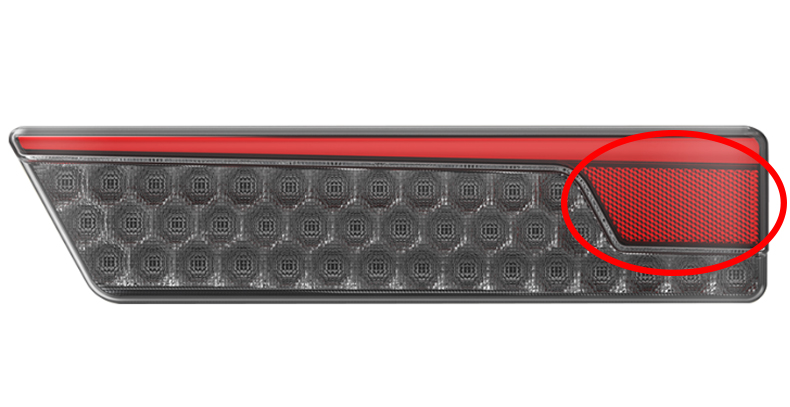
External
The second type, external reflectors such as our 7030 series are separate from the tail lights and mounted to the body or tray of the vehicle. These reflectors are often mounted in the same location as the original reflectors and are designed to be compatible with a wide range of tail light types, including LED. These reflectors can be easily removed and replaced if needed, however, they require additional installation steps.
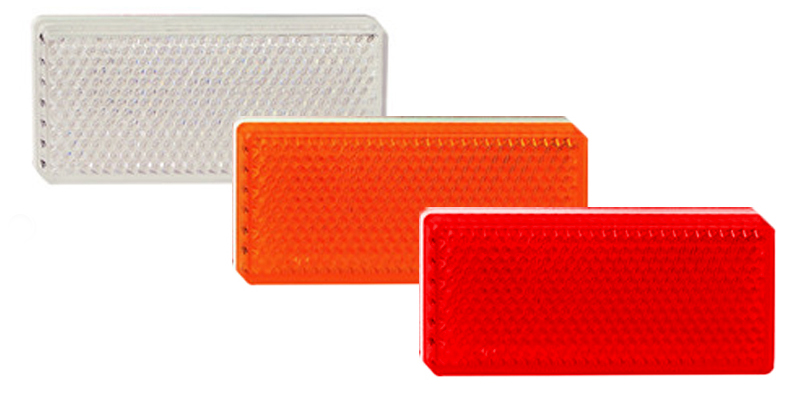
Not all LED tail lights have internal reflectors built in, so its also important that when using tail lights without reflectors, you go ahead and fit the external ones in addition.
Both types of reflectors play a critical role in ensuring the visibility of your vehicle, but the choice of which one to use will depend on your specific vehicle and the type of tail lights you choose. If you would like help determining which type of reflector would be the best fit for your vehicle, contact our OzLED Sales team, who are available for you.
Be certain
If you’re unsure about the legal requirements for reflectors on your vehicle or need help upgrading to LED tail lights, it’s a good idea to consult with a qualified professional such as QLD Transport. They can help ensure that your vehicle is in compliance with Australian road safety laws and that you and other drivers on the road are safe.
In conclusion, upgrading to LED tail lights is a great way to improve the visibility and safety of your vehicle, but it’s important to keep in mind the legal requirements for reflectors in Australia.
More Blog Posts
November 9, 2020
Learn how to choose a headlight restoration kit to restore cloudy headlights, improve clarity and enhance driving visibility.

August 27, 2018
See OzLED at AFAC 2018, Australia's leading emergency services event, showcasing innovative LED warning and emergency lighting solutions for the industry.
November 1, 2021
Compare Guardian Angel Elite and Micro Series wearable safety lights to see the key differences in size, features, visibility and performance.

January 9, 2023
Five reasons to upgrade to LED headlight bulbs, including brighter illumination, improved visibility, efficiency and longer-lasting performance.